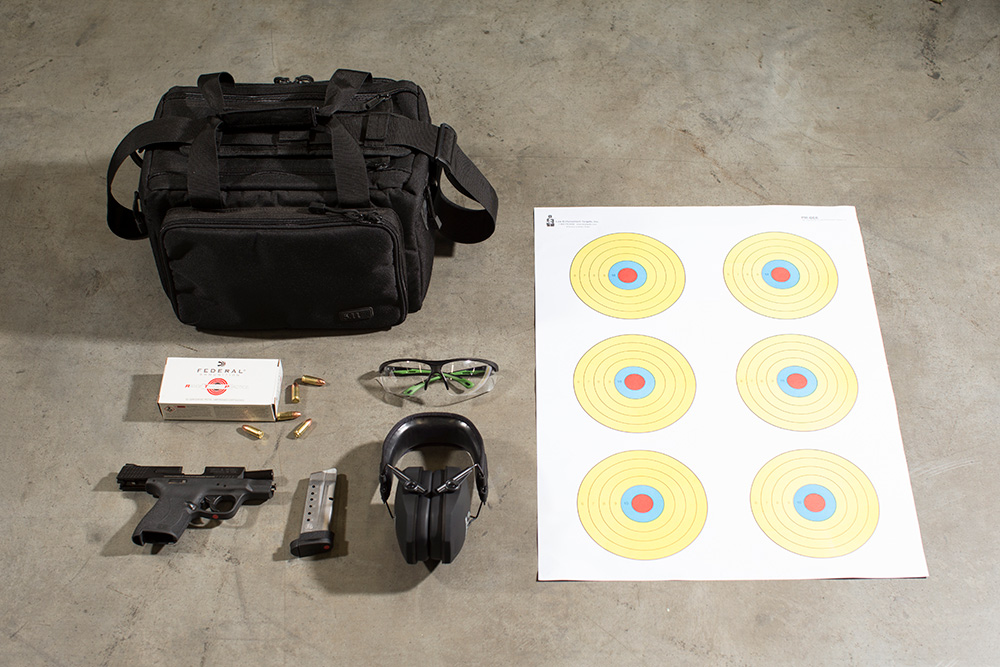
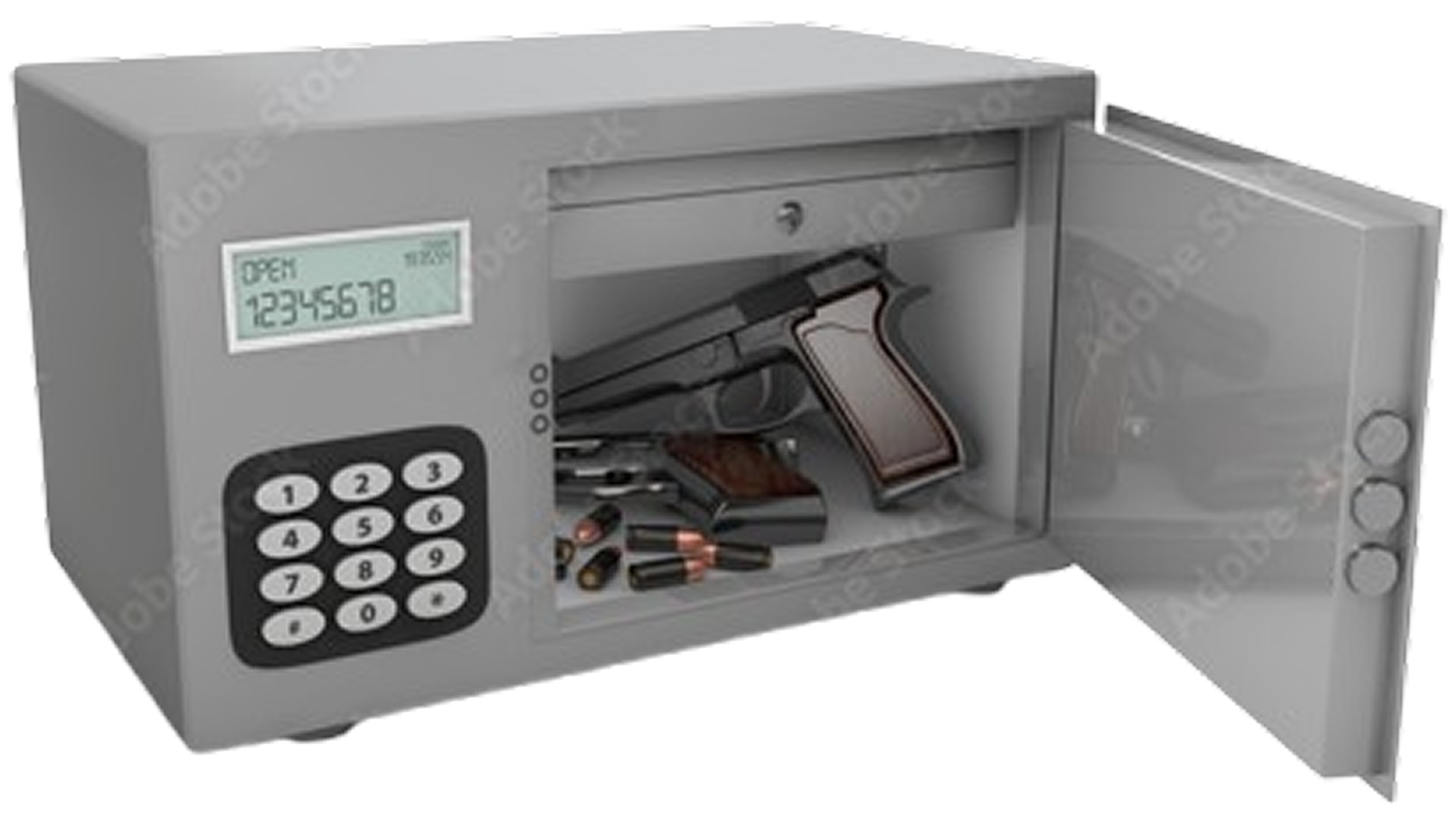
Firearm Training
Gun Safety & Responsible Ownership
Clear, Practical Guidance for Home, Range, Transport, Child Access Prevention, and Mental Wellness Awareness
At American Liberty Firearm Services, safety is the foundation of everything we do. Whether you’re a new owner, a lifelong enthusiast, or a family managing firearms in the home, responsible handling protects you, your loved ones, and your community.
This page provides straightforward, real world safety practices aligned with nationally recognized standards and the core principles promoted by the National Shooting Sports Foundation (NSSF).
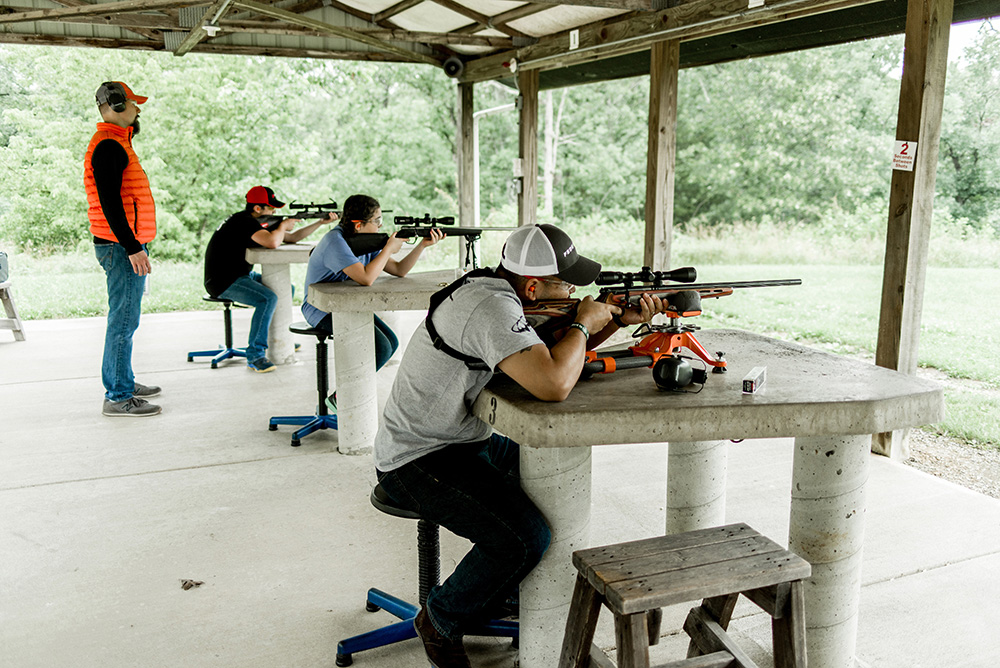
Basic Firearm Safe Handling Principles
These fundamentals apply everywhere: at home, on the range, and during transport.
- Treat every firearm as if it is loaded.
This mindset prevents complacency and reinforces safe habits. - Always keep the muzzle pointed in a safe direction.
A “safe direction” means a direction where an unintentional discharge would not cause injury or damage. - Keep your finger off the trigger until you are ready to fire.
Rest your finger along the frame, not inside the trigger guard. - Know your target and what is beyond it.
Bullets travel farther than most people expect. Be certain of your backdrop and surroundings. - Secure firearms when not in use.
Use locked storage, cable locks, safes, or other secure devices to prevent unauthorized access.
Range Etiquette & Safe Shooting Practices
A safe range is a shared responsibility. These guidelines help keep everyone confident and comfortable.
- Follow all posted range rules: Every range has its own procedures. Read them, understand them, and ask if anything is unclear.
- Obey the Range Safety Officer (RSO): The RSO’s job is to keep everyone safe. Their commands take priority over everything else.
- Use proper eye and ear protection: Safety glasses and hearing protection are required at all times on active ranges.
- Keep firearms unloaded and actions open when not firing: This shows others that your firearm is safe and prevents accidental discharges.
- Never handle firearms during a ceasefire: Step back from the bench and wait for the RSO to declare the line hot again.
- Be aware of others: Avoid distractions, maintain muzzle awareness, and communicate clearly.
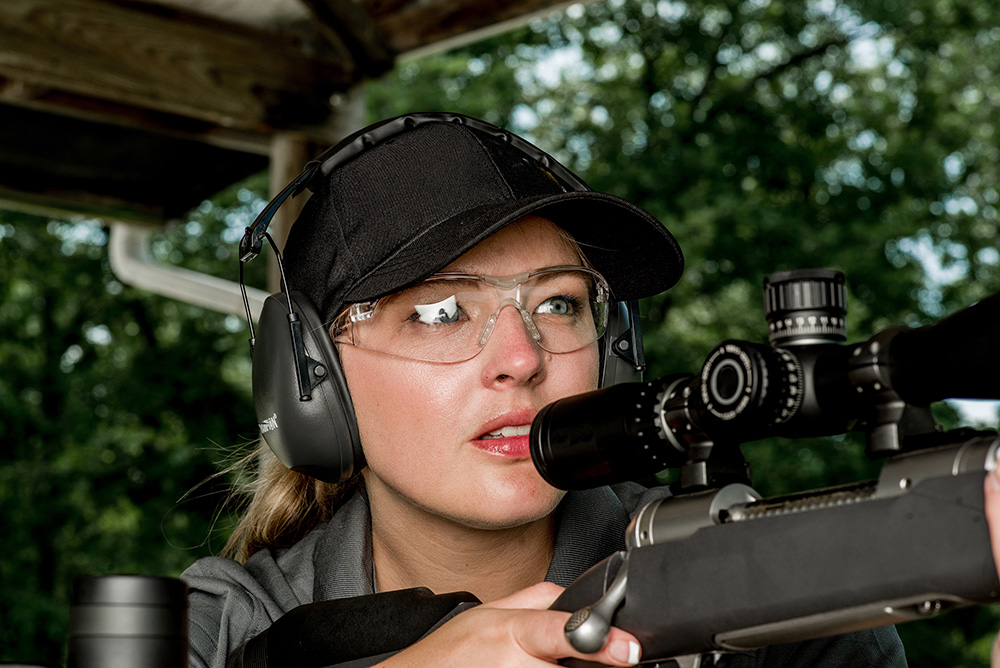
Safe Storage at Home
Responsible storage protects children, guests, and anyone who should not have access.
- Use locked storage: Safes, lock boxes, and cable locks help prevent unauthorized access.
- Store ammunition separately when possible: Separating firearms and ammunition adds an additional layer of safety.
- Educate all household members: Even if you believe a child “doesn’t know,” “won’t touch,” or “isn’t interested,” secure storage is still essential.
- Create a home safety plan: Decide who has access, how firearms are stored, and how emergencies are handled.
Child Access Prevention
Children are naturally curious. Safe adults take proactive steps to prevent accidents.
Teach children what to do if they encounter a firearm
A simple, age-appropriate message:
- Stop
- Don’t touch
- Leave the area
- Tell an adult
Model responsible behavior
Children learn from what they see. Safe handling reinforces safe habits.
Use locking devices every time
Even brief lapses, just for a moment, can lead to tragedy.
Mental Wellness & Suicide Prevention Awareness
Firearm safety includes emotional safety. Temporary stress, crisis, or emotional overwhelm can affect anyone.
Secure Firearms During Difficult Times
If someone in the home is struggling, consider:
- Using additional locking devices
- Storing firearms off-site with a trusted, lawful third party
- Asking your local range or retailer about temporary storage options (where legal)
Check In With the People You Care About
Open, non-judgmental conversations can make a meaningful difference.
Know the Warning Signs
Changes in behavior, withdrawal, hopelessness, or talk of self-harm are signals to reach out to supportive people or professionals.
You Are Not Alone
If you or someone you know is struggling, reaching out to a trusted friend, family member, or mental health professional can be an important step toward safety and support.
Our Commitment To Responsible Ownership
I believe firearm safety is a lifelong practice, not a one-time lesson.
My training, services, and community outreach are built around:
- Clear, judgment-free education
- Practical, real-world safety habits
- Respect for your rights and responsibilities
- Support for families, new owners, and experienced shooters alike